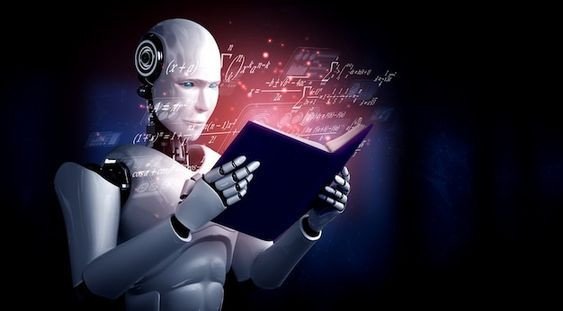


From a machine learning experience for students to streamlined educational operations, AI and ML have brought remarkable transitions in the educational landscape. There are multiple scenarios in which we can explore how machine learning has transformed education.
The use of machine learning in the education sector can help improve the experience (for students and teachers) in many ways. For market players wondering how machine learning can be used in education, there are some ways AI and ML are transforming the experience of school administrators, staff, students, and parents while optimising regular school operations.
There are countless examples where ML and AI demonstrate their true potential in the edtech industry. So if you are curious how machine learning is used in education or how a Machine learning development company in USA improves the education sector, here are the answers for you! Some of the applications of machine learning and artificial intelligence in the tech industry include:
Save time:
One of the great things about ML is that once it's trained, it can work with little to no human interaction. Tasks delegated to machine learning will be performed automatically and almost instantly.
If you want ML to complete some kind of learning analysis (for example, analyse the syllabus to find out if it meets the students' mental capacity), take care of plagiarism checks, or enter a comprehensive grade, it will be done in question. of seconds.
Advanced analytics:
Machine learning and education are a perfect match because modern IT solutions can perform almost every form of analytics imaginable. Artificial intelligence development companies in USA have already touched on the technology of ML content analysis to provide students with adaptive learning. But that's just one of many ways to benefit from the analytical power of ML.
Some other techniques include the following:
-
All kinds of reports (attendance, academic performance, engagement, certification tracking, trainer/teacher approval, etc.)
-
Measure both the quality and quantity of educational materials available.
-
Analyze input data (number of logins, time spent on the platform, student background, emails, requests, etc.)
-
Visualization of information flow to determine existing problems and sources of miscommunication
-
Is it possible to include analytics without including ML in the mix? Yes, it is, but the result will not be as effective and useful.
Adaptive learning:
Adaptive learning, with that name, is self-explanatory. Analyze a student's performance in real-time and modify teaching methods and curriculum based on that data. It helps to have a personalized commitment and tries to adapt to the individual for a better education.
The software helps suggest learning paths that the student should take. Students get suggestions for materials and other learning methodologies from the software.
Increased efficiency:
Machine learning has the ability for better organization and management of content and curriculum. Artificial intelligence development services in USA help to branch work accordingly and understand everyone's potential. This helps to analyse what work is more suitable for the teacher and what works for the student.
It facilitates the work of teachers and students and that makes them happy and comfortable with education. This also increases involvement and love of participation and learning. Therefore, increasing the efficiency of education. It also has the potential to make educators more efficient when completing tasks like classroom management, scheduling, etc.
Improve cycle efficiency with predictive analytics:
The main benefit of machine learning in education is its ability to track learner progress and adjust courses to respond to students' actual needs, thus increasing engagement and delivering high-quality training. Feedback from Deep learning development companies in USA and machine learning algorithms allows educators to understand learners' potential and interests, identify struggling students, identify skill gaps, and provide additional support to help students overcome learning challenges.
These are just some of the questions machine learning can answer:
-
Do learners interact with the course materials?
-
How long do students spend in each section?
-
Did the students have a problem or just read the content?
-
How long did the students take to complete the test?
Advanced assessment and grades:
Students often complain about human biases in assessments. Educators, in turn, point to the need for more accurate and equitable classification systems. Automated test scoring has been around for a while but incorporating machine learning into education enables smart assessments that can instantly assess multiple formats, including written tasks such as papers, essays, and presentations.
Innovative grading tools can assess style, structure, language fluency, analyse narrative depth, and detect plagiarism. The Best data science company in USA and ML techniques transform assessment into a matter of seconds, ensure accurate measurement of students' academic abilities, and eliminate the chance of human error.
Machine learning in education: conclusion
It will take a while for all schools and universities to get used to machine learning features. It is quite evident that full implementation of such technologies in the educational sector still requires a lot of work. But there is no denying that machine learning and artificial intelligence have already begun to transform the educational scene for the better.
Also Read:
Machine learning in supply chain management
Use Cases of ML in Cybersecurity
Application of AI in manufacturing

USM’s team of expert AI developers programs business systems with advanced machine learning solutions to produce actionable decision models and automate business processes. Machine learning company in Texas convert raw data from legacy software systems and big data providers into clean data sets to run classification (multi-label), regression, clustering, density estimation, and dimensionality reduction analyses and then deploy those models to the systems.
Author bio:
Koteshwar Reddy is a creative writer at USM Business Systems. We offer an original analysis of the latest developments in the mobile app development industry. Get connected to the latest trends and social media news, plus tips on Twitter, Facebook and other social tools on the web.