


It is anticipated that within the next five years, the United States will install nearly 100 gigawatts of new capacity for solar power, which would represent a growth rate of 42%. This would be a growth rate that is equivalent to the growth that would occur if solar power was used exclusively. In addition to this, it is estimated that the global market for the installation of solar panels will be worth more than $200 billion by the year 2027.
-
This installed base will be divided between large-scale solar farms, residential and commercial rooftops, and a smaller amount in car- and truck-top mobile solar panels
-
Large-scale solar farms will account for the majority of the installed base
-
It is expected that the majority of the installed base will be made up of large-scale solar farms
-
It is anticipated that large-scale solar farms will constitute the majority of the installed base in the coming years
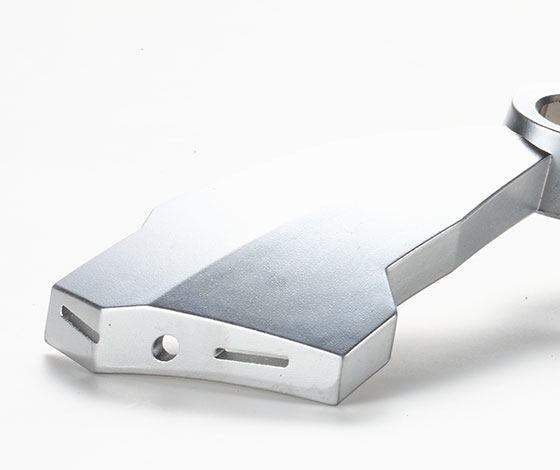
However, the utilization of aluminum architectural components for both stationary and mobile structures is required for the success of photovoltaics in each of these applications. This is true regardless of whether the structures are stationary or mobile. This holds true regardless of whether the structures in question are mobile or stationary.
The solar power industry makes use of a wide variety of applications for aluminum, and the purpose of this article is to examine both the positive and negative aspects of this use. In addition, we will discuss some design considerations for a variety of framing systems and discuss the pros and cons of each.
Aluminum and steel are two metals that have been suggested as potential replacements for the plastic used in the frames of solar panels.
When it comes to the use of metals in large-scale commercial construction projects, steel is typically preferred over other types of metals for a variety of compelling reasons. This inclination has been held for a very long time, and it is still maintained to this day.
Steel can be acquired in a very short amount of time and is not only easily accessible but also available in very large quantities. Due to the high modulus of elasticity and exceptional fatigue strength that it possesses, steel is an excellent material for bearing static loads. This is because of the properties that it possesses. The mechanical and forming properties of the material are well understood, which makes it possible to design structural members such as frames, trusses, and I-beams with a minimum amount of difficulty. This is because a great deal of research has been put into examining these aspects of the property.
However, the use of steel is connected to a number of significant drawbacks that need to be taken into consideration. These drawbacks must be considered. For one thing, it is cumbersome, and in addition to that, it needs to be transported to and installed in locations that are not easily accessible, which comes at a significant cost in terms of the amount of energy that is required.
Because aluminum die casting is necessary to weld together separate pieces of steel in order to form sections that are longer, there is an additional cost that must be incurred during production. This cost is due to the necessity of producing longer sections. It is necessary to passivate, paint, or powder-coat the surface of the steel in order to prevent corrosion; however, none of these methods is a permanent solution to the problem of extending its lifespan. Passivation, painting, and powder-coating the surface of the steel are all necessary steps.
-
It is possible that many engineers and other people involved in product development are unaware of the benefits that come with making use of aluminum extrusions; however, these benefits do in fact exist
-
It is possible that many engineers and other people involved in product development are unaware of the benefits that come with making use of aluminum extrusions
-
In order for engineers to fully take advantage of those benefits, they first need to be aware of the specific conditions under which the structure needs to function properly in order for it to do so
-
Only then will they be able to take full advantage of those benefits
Considerations to Make Prior to the Creation of aluminum alloy die casting StructuresIt is important to have a thorough comprehension of the stresses that the structure will be required to withstand before deciding whether or not to use aluminum extrusions in the construction of the structure. When it comes to designing aluminum frames, there are a number of different factors to take into consideration.
Snow loads, high winds, and significant temperature differences between day and night are three examples of the types of mitigating factors that are among the many that can be found. Does the structure have the capability to move to different locations or is it designed to remain in the same spot? Will there be a potential for it to become tainted by saltwater spray or any of the other environmental toxins that may be present?
It is possible to overcome all of these challenges if careful design and consideration is given to the selection of alloys that are suited to the activity at hand. There are a great number of advantages that can be obtained through the utilization of aluminum extrusion in the process of installing solar panels. Some of these advantages are as follows:
Extrusions made of aluminum offer many advantages, some of which are detailed in the following list:
To get things started, the level of design complexity that can be accomplished with aluminum profiles is extremely close to being limitless. This is because aluminum profiles are so lightweight. This would seem to imply that any conceivable engineering requirement can be satisfied by modifying the profile in such a way that it precisely satisfies the requirements that need to be met in order to achieve optimal performance. This would be a significant step forward in terms of efficiency.
Second, aluminum is naturally resistant to corrosion, and when it is exposed to oxygen, it forms a layer of brittle aluminum oxide that acts as a barrier against further corrosion. This protects aluminum from further deterioration. This prevents the aluminum from deteriorating any further in the future. An additional layer of protection is added to aluminum during the anodization process, which also enhances the material's aesthetic appeal. aluminum die castings can now last longer without being damaged.
Aluminum, due to its lower overall mass, is an excellent choice for movable assemblies that need to follow the path of the sun across the sky. This is because aluminum can be easily formed into complex shapes. The utilization of aluminum has three benefits, the third of which is this one. There are a number of obvious benefits that come along with installing panel mounts on automobile roofs and rooftops. One of these benefits is as follows:
Last but not least, extrusions are perfect for modular installation because they can be easily connected with fasteners that permit for the necessary thermal expansion and contraction that occurs during heating and cooling cycles. This makes extrusions the ideal material for modular installation. As a result of this, extrusions are an excellent option for modular installation. Extrusions are an excellent choice as a material for installations of this kind due to the fact that they have this benefit.
If there are any negative aspects, what are some examples of those?
Aluminum is a material that is more expensive per unit weight when compared to steel. Additionally, when it comes to the beginning of the production process, there is typically more design work involved when aluminum is being used. Steel is a material that is more affordable per unit weight.
However, studies have shown beyond a reasonable doubt that these one-time costs will more than pay for themselves in the long run as a result of improved performance, reduced installation costs, and increased longevity. These benefits will more than make up for the initial outlay of capital. This is the inference that one is able to make in light of the results obtained from these studies.


