


Most people with at least a digital lock in their lives, assuming they are typical. Digital locks are increasingly being used in everyday life, whether they be the lock from your front entrance or the pass code to your email. And as the reliance on technology grows, it's critical to comprehend the various authentication methods for Smart door lock Singapore.
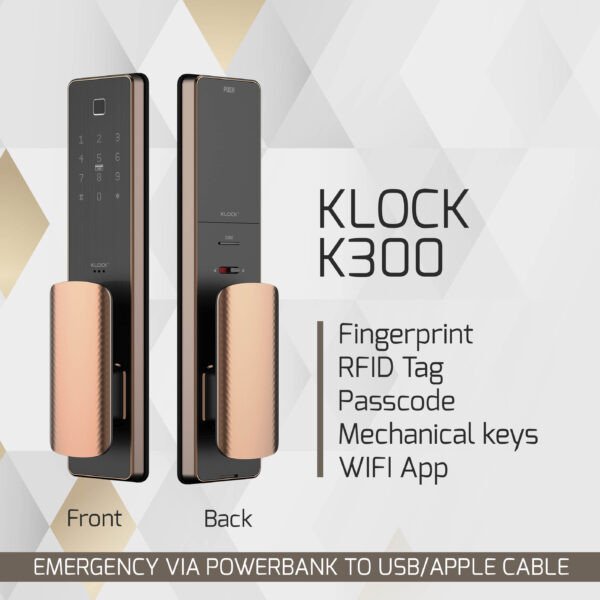
There are several parts of digital lock authentication. It includes the best where you get the sensors, the good ones with codes, and the bad ones with keys. If you are planning to install Smart lock Singapore, here are different modes of authentications that you must know.
Keypad
The keypad lock is the most widely used kind of digital lock authentication. To unlock the door, you must input a code on a keypad lock.
A digital lock called a keypad lock requires a code to be entered on the keypad to open the door. Keypad locks are simple since a key does not need to be brought around. They may be designed to allow several codes for various users and are very simple to use.
Fingerprint
One of the most often used techniques for protecting digital locks is fingerprint authentication. This biometric technology verifies an individual's identification by using the distinct pattern of ridges as well as valleys on their fingers. Even though fingerprints are difficult to forge, they can still be stolen. For this reason, many biometric locks now now need a PIN or password in addition to a fingerprint for verification.
Card
Among the most common ways to open digital locks is through card-based verification. This technique may be used to open a door, gateway, or other sort of secured enclosure by communicating with the lock using an RFID and NFC card. Controlling access to the property is easy and safe using card-based identification.
Passwords
It is critical that we keep the security of these gadgets in mind as we continue to computerise the products in our life. One aspect of safety that is frequently disregarded is authentication, or more precisely, the credentials users use to access their devices.
Although credentials in Smart door lock Singapore are the most popular type of authentication, they fall short of more sophisticated solutions. Several digital locks provide authorisation and false pins to increase security. A good password should be lengthy, include a variety of characters, and be difficult for someone who understands you to guess. Even with these recommendations, though, passwords might still be vulnerable if they are used on several locations or when they are not updated frequently.
Conclusions
In short, these are a few authentication modes in Digital locks. With improvement in technology, you may also find innovations in authentications. For the best digital locks, you can contact Master Digital Lock.