


One of the biggest reasons for the underperformance of a loyalty program is its program structure (or the lack of one!). Each company has its own set of unique challenges, business objectives from the loyalty program, customer demographics & purchase behavior. In order to give the loyalty program the best shot at success and ROI, it needs to structured keeping in mind all of the above, and more!
The first step in creating a loyalty program structure is to understand & analyze the businesses’ historical transactions data, both in the pre-Covid & post-Covid scenarios. The results of this analysis, along with the business challenges and objectives becomes the backbone of the customized loyalty program structure.
Create360-degree customer engagement
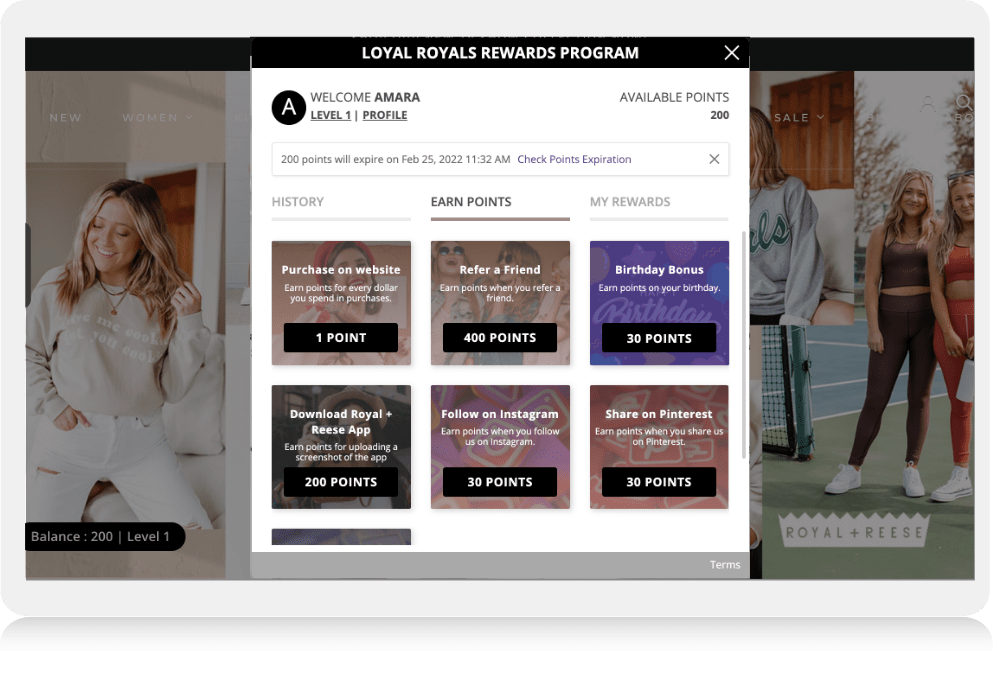
The first step a loyalty program software should take is tocreate a 360-degree customer engagement. This is imperative not only to keepcustomers engaged between two purchases, but to also improve conversions &shorten the time between these purchases. To create 360 engagement, businessesmust identify all the different user behaviors that they want to encourage.These activities must make it easy for customers to be engaged with the brandon a regular basis. Awarding points for purchases is a no brainer but a programmust also focus on social-sharing activities, increased customer advocacythrough reviews & referrals, and different types of other engagement likenewsletter subscription etc. Some of these activities will need to be cappedfor a specific frequency. Otherwise, customers could take advantage of earninga lot of points without making any purchase. Needless to say, all of theseactivities must blend seamlessly with the overall ethos of the business and thebrand.
Offer exciting rewards
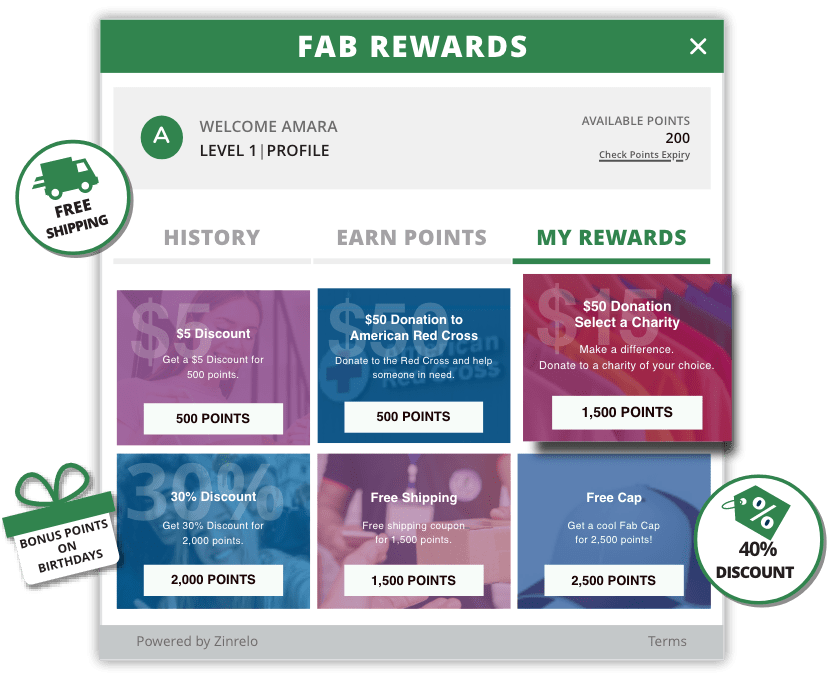
For rewards, the program must explore options in addition to discounts. These can include, but not be limited to, free/expedited shipping, free products, 3rd party gift cards, etc.While discounts act as an important hook for the next purchase, the rewards need to be aspirational to contribute to a great customer experience. Some loyalty program software also enables charity donations as a reward. This is fast catching up which helps businesses create an emotional connect with their customers.
Calculate the pay-out rate
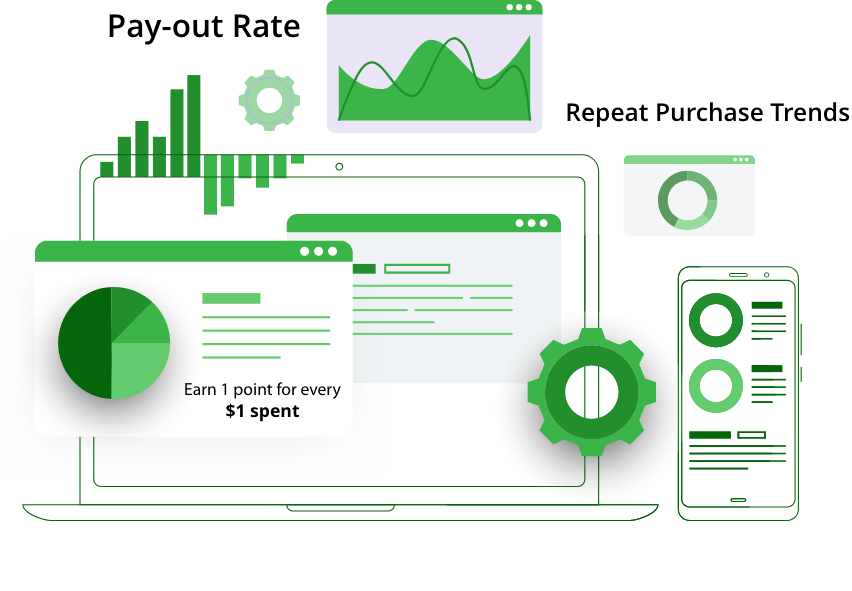
Deciding on whatactivities to reward is the easy part. The next step involves deciding theaccrual rate (the rate at which customers earn points in a program, eg. earning1 point for every $1 spent) and the pay-out rate (for example, if 1 point isearned for every dollar spent, and if every point is worth 1 cent, then thepay-out rate is 1% of all purchases). The analysis of the historicaltransactions data by the customer loyalty program software becomes important inthis regard. The repeat purchase trends help determine points expiration rulesand the thresholds to activate dormant customers who are at a risk of churning.The revenue contributions from repeat customers determines setting up thedifferent tiers and associated thresholds. These tiers play a critical role inincreasing revenues and ensuring customer loyalty, and we have dedicated aseparate page to elaborate the best approach to structure tiers for a loyalty program.
Establish benchmark metrics
The last step is to identify key metrics and success criteria for the loyalty program, with benchmarks for the same. These could be customer retention, the average order value per customer, referrals etc. Only with a benchmark in mind can a loyalty program software monitor and modify the program as required.
It is important to make the program exciting by offering more points earning & redemption opportunities, but this should not be at the cost of reduced profitability.Striking the right balance is what separates the best customer loyalty program software from others. A wealth of information lies in a business’s past purchase data and their challenges & objectives. At the end of the analysis, a business should be able to answer these seven questions pertaining to their loyalty program structure:
1. Which activities should customers perform to earnloyalty points?
2. Which rewards should be offered to customers?
3. What should be the payback percentage forrewards?
4. How many tiers should the program have?
5. What should be the points expiration term?
6. How to identify and win-back at-risk users?
7. What should be the key program metrics &success criteria?
Once these questions are answered the business is one step closer to launching their own loyalty rewards program.
Experience the Zinrelo Customer Loyalty Platform to Believe it! Request a Demo
This content was originally published on zinrelo.com