


A Quick Guide to the Software Product Development Process
Whether you have a great idea or an established application, custom software development can offer solutions to the pain points that keep you up at night. Custom software development is a highly collaborative and complex process. However, you also want to make sure your project is delivered on time, within budget, and with minimal surprises.
Most organizations start the software development process with planned budgets, expectations, and deliverables. But, projects rarely take the straight and narrow path to completion. Here’s a quick guide to what you need to know before you get started.
What is Custom Software Development?
Custom software development is the process of conceptualizing, designing, creating, deploying, and maintaining software for specific purposes, users, functions, organizations, or third parties. Also sometimes called bespoke software, custom software meets specialized business requirements and can improve efficiency in business processes for a variety of industries. In a highly competitive business environment, a strong digital strategy with modern custom software can help improve efficiency, maximize data and analytics, reveal new revenue streams, and streamline workflows.
What are the 7 Software Product Development Stages?
Software product development follows seven specific steps from start to finish. These steps are…
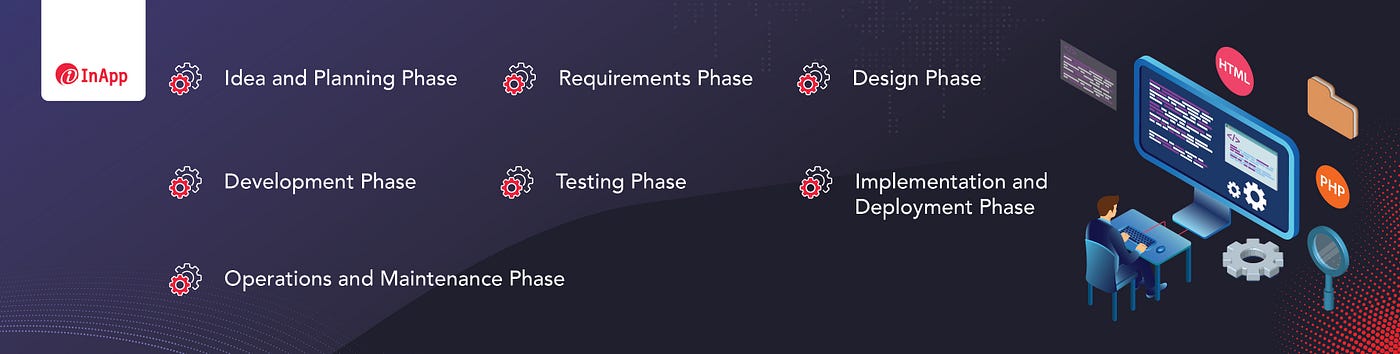
- Idea and Planning Phase: Every project starts with an idea, followed by outlining the project scope, business objectives, budgets, resources, and timeline.
- Requirements Phase: The next step is to document all requirements, potential risks, and strategies to address both those requirements and risks.
- Design Phase: Using the project requirements, developers create software workflows and structures, including prototypes or mockups.
- Development Phase: As the backbone of the process, this phase includes writing code and turning design documentation into the actual software.
- Testing Phase: Testing determines if the software matches expected requirements and is free from bugs or defects.
- Implementation and Deployment Phase: Next, the software is moved to the implementation and deployment phase where it’s introduced to the market.
- Operations and Maintenance Phase: The very last phase involves regular updates and maintenance of the software based on user feedback.
Best Practices for Software Product Development Process
Best practices for the software development process include…
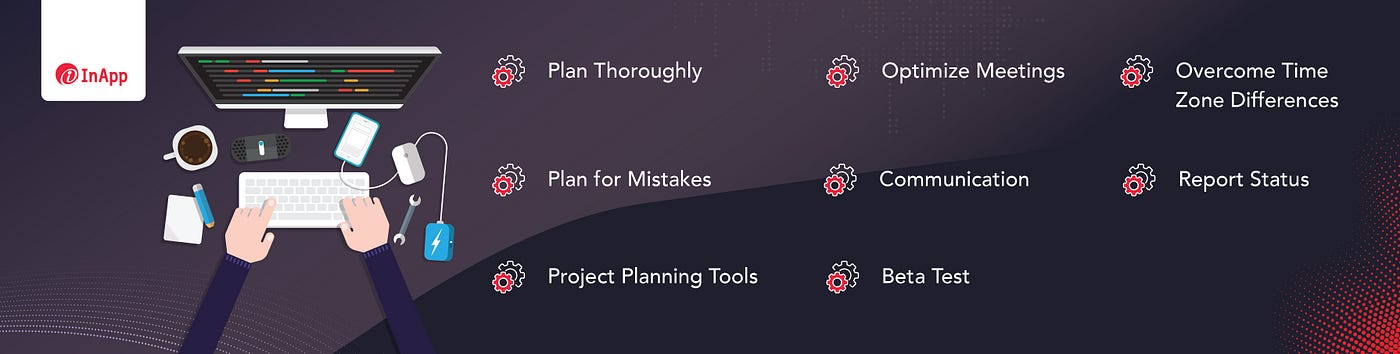
- Plan Thoroughly: Start with a thorough plan to keep the team focused on tasks and goals. That should include objective oversight to ensure continuous assessment of the project’s progress to help identify failure indicators, as well as intervene to accommodate changes and adjust milestones.
- Optimize Meetings: Hold frequent meetings between your team and the custom software development team. Then, follow up on any roadblocks that might slow down the progress of your project. It’ll save resources and speed up the overall process.
- Overcome Time Zone Differences: Resolve any time zone issues between your team and the developers. Remember that different time zones also offer advantages, as one team may be working while the other is finished for the day.
- Plan for Mistakes: To err is human, so expect mistakes. Unanticipated issues should be analyzed and worked out with clarity and without emotions.
- Communication: All team members must communicate effectively within their defined and allocated roles. Make sure everyone understands these roles and has the tools to make communication as easy as possible.
- Report Status: The project manager should report the status of their project transparently and proactively. Identify, align, and monitor project tasks continuously to maintain smooth progress.
- Project Planning Tools: Modern development platforms, such as agile project management, allows for rapid development and timely release of new features.
- Beta Test: Beta testing ensures quality and confidence in your product for the final release.
If you have any questions, contact the software product development experts at InApp. We can help you start your software development project on the right foot — and get it done on time and on budget.