


Product design and development is a critical aspect of manufacturing, as it determines the functionality, appearance and the overall success of end products. With advancements in technology and materials, product designers and developers have a wider range of options to choose from, and structural foam molding is also one of them.
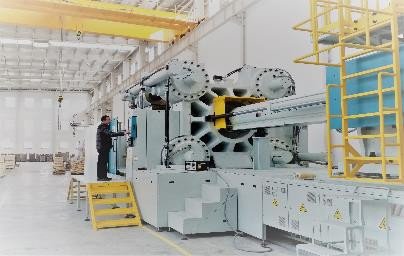
Structural Foam Molding: It is basically a manufacturing process, in which a mixture of plastic and a blowing agent is used to create lightweight and durable parts. The blowing agent expands during the molding process, thereby creating a low-density core surrounded by a skin of higher-density material. This unique combination of properties makes structural foam molding a popular alternative in the manufacturing industry.
The impact of structural foam molding on product design and development cannot be overstated. This innovative manufacturing method offers many great benefits that can enhance the design, performance and production of a product. In this post, we’ll explore the major advantages and disadvantages of structural foam molding, and its impact on product design and development.
Advantages of Structural Foam Molding
1. The best part about structural foam molding is that it produce lightweight parts with decent strength. The combination of low-density core and high-density skin provides an excellent balance between strength and weight. Thus, it is ideal for applications where lightweight parts are required, i.e. aerospace and automotive industries.
2. Apart from being lightweight, structural foam molded parts also have excellent strength, as the thick outer layers of the end products provide enhanced structural stability.
3. Plastic parts built through structural foam molding usually have excellent thermal insulation properties, making this method an ideal choice for applications that require temperature control.
4. The entire manufacturing process generates very little waste, as any excess material can be recycled and reused for production. Thus, it eventually lowers the overall production costs and minimizes the environmental impacts as well.
5. It requires little to no additional surface finishing work because structural foam molded parts usually have excellent surface finish.
With so many benefits to offer, structural foam molding is definitely an ideal manufacturing method. The reduced material waste, lower tooling costs and shorter production times make it an economical choice for many product designers and developers.
Examples of Products That Benefit from Structural Foam Molding
· Furniture: This method is popularly used for producing furniture, as it allows manufacturers to create lightweight yet sturdy parts, such as chairs, tables etc. Moreover, the high-end surface finish also eliminates the need for additional finishing work.
· Automotive Parts: The automotive industry also benefits from structural foam molding because of its ability to create lightweight yet strong parts. The excellent thermal insulation properties also make it an ideal choice for such automotive applications that require temperature control.
· Consumer Goods: This method is also used for the production of consumer goods, such as outdoor equipment, toys and sporting items. This is because of the lightweight properties, high strength and appealing surface finish of structural foam molded parts.
· Industrial Equipment: Structural foam molding is also common used for producing large and lightweight parts that are capable of withstanding harsh circumstances. Along with that, excellent thermal insulation properties of these plastic parts make them ideal for applications that require temperature control.
So basically, it’s a versatile manufacturing process that can be used in a range of industries and applications. From furniture to automotive parts and from electrical enclosures to industrial equipment, structural foam molding provides a range of advantages to enhance the design, performance and production of these products.
Disadvantages of Structural Foam Molding
No doubt that structural foam molding offers several advantages, but it also has some limitations.
· Complex Process: The major concern with structural foam molding is that it is a very complex manufacturing process. So, it’s not feasible for smaller companies or businesses, because it requires specialized equipment and expertise to produce plastic parts through this method.
· Material Limitations: This method is limited to specific materials, such as thermoplastics, which may not be suitable for many applications. Taking this into account, only a limited range of products can be manufactured through this method.
· High Initial Costs: The specialized equipment and expertise required for conducting production may lead to high initial costs, which means it's not ideal for low-volume production.
· Inaccurate Parts: The structural foam molding process might produce inaccurate or inconsistent parts if not controlled properly.
· Short Run Limitations: This method is optimized for larger production runs, as the initial tooling cost is high. So, it is not well suited for short run production.
Final Thoughts
Overall, the impact of structural foam molding on product design and development is significant. Therefore, the advantages and disadvantages of this process need to be carefully weighed and considered in order to determine whether it is the right choice for a particular product or not.
With so many advantages to offer, this method is well worth considering for those looking to enhance the design, production and overall success of their products. Start working with iMold USA, LLC to make the most of advanced and latest Structural Foam Molding technologies available.