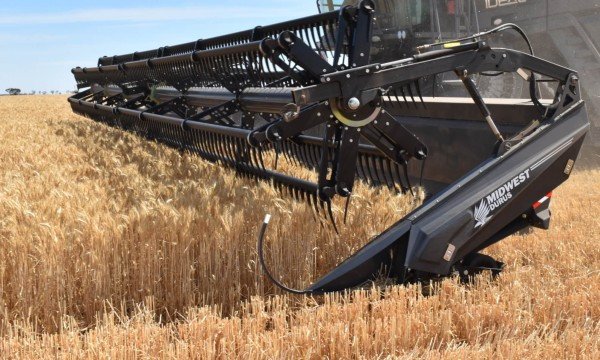


Farming has come a long way since the invention of the plow. Technological advancements have revolutionized the way we grow crops and harvest them. One of the most important pieces of machinery on a farm is the harvester. In this article, we will look at the future of farming and how advancements in combine harvester and forage harvesters will impact the industry.
Hook: As the world’s population continues to grow, there is an increasing demand for food. The agricultural industry must continue to innovate to meet this demand.
Introduction
Harvesting crops is an essential part of farming. It involves cutting, threshing, and cleaning crops so that they can be used for food, fuel, or other purposes. The combine harvester and forage harvester are two of the most important machines used for this process. These machines have undergone significant advancements in recent years, making them more efficient and effective. In this article, we will explore the future of farming and how these advancements will impact the industry.
Advancements in Combine Harvesters
Combine harvesters are used to harvest grains such as wheat, barley, and corn. They have undergone several technological advancements that have made them more efficient and effective. One of the most significant advancements is the use of precision farming. This involves using GPS technology to guide the combine harvester through the field, reducing overlaps and ensuring that no areas are missed. This technology also helps to reduce soil compaction, which can have a negative impact on soil health.
Another significant advancement is the use of sensors and cameras on farm harvester. These devices can detect crop yields, moisture levels, and crop quality, allowing farmers to make informed decisions about when to harvest their crops. This technology also helps to reduce waste by ensuring that only the highest quality crops are harvested.
Advancements in Forage Harvesters
Forage harvesters are used to harvest crops such as grass, alfalfa, and corn silage. They have undergone significant advancements in recent years, making them more efficient and effective. One of the most significant advancements is the use of precision agriculture equipment technology. This involves using GPS technology to guide the forage harvester through the field, reducing overlaps and ensuring that no areas are missed. This technology also helps to reduce soil compaction, which can have a negative impact on soil health.
Another significant advancement is the use of crop sensors on forage harvesters. These sensors can detect crop yields, moisture levels, and crop quality, allowing farmers to make informed decisions about when to harvest their crops. This technology also helps to reduce waste by ensuring that only the highest quality crops are harvested.
Conclusion
The future of farming is exciting, with advancements in combine harvesters and forage harvesters leading the way. These agricultural machinery have become more efficient and effective, helping farmers to increase their yields and reduce waste. With the world’s population continuing to grow, it is essential that the agricultural industry continues to innovate to meet the demand for food.
The advancements in combine harvesters and forage harvesters are just the beginning of what is sure to be an exciting future for farming.