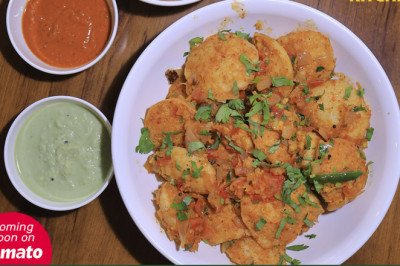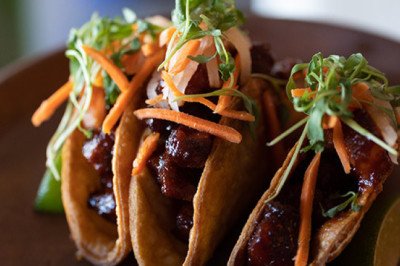


Japanese food varieties are wonderful, for that reason you are recommended to appreciate them with your eyes first, prior to beginning to circulate them to your stomach. The varieties planned in the dishes you appreciate depends on the shades of four seasons. This is the best way to experience Japan's seasons without going there!
Japanese individuals call it a concordance, which is brought into the world from Japanese satisfaction in imaginative sense and excellence. Through Japanese food varieties, you can feel the cherry blossoms blossoming in spring, the vivid leaves in fall season, and the glow of the sun in summer. Track down fish, herring, and bamboo shoots in summer, or chestnuts and matsutake mushrooms at harvest time. They are great in your eyes, yet in addition great for your wellbeing!
As per a few consequences of an exploration, Japanese individuals have lower rates of coronary illness than most different nations. They likewise have a longer age! Numerous Japanese individuals can arrive at over 100 years old, and they could actually work ordinarily as the youthful. The mystery might be their eating routine. There is no question that Japanese cooking styles are one of the best on the planet!
Japanese food sources and Japanese cafés have been spread from one side of the planet to the other, and they are so popular. You might be eating a bowl of soba and miso, having sushi, or partaking in some green tea at the present time. Here is some significant data about the substance of Japanese food fixings you ought to peruse!
Ocean growth - It is separated into three sorts: nori, wakame, and kombu. You can track down kelp in sushi and onigiri. It is in a type of dull green sheet, so wrapping those dishes is normally utilized. Kelp contains high minerals, nutrients A, C, B12, and protein.
GINGER - This profoundly fragrant root is generally added to warm the soups, sautés and sushi. Ginger has many advantages. It can bring down cholesterol, forestall joint inflammation, and assist the individuals who have the hazard of blood clusters since it contains a compound which can stop platelets remaining together.
FISH - We are recommended to eat two segments of slick fish each week. The Omega 3 contained in slick fish is so gainful for heart wellbeing. Sushi has numerous different dishes, and some different ones made of fish. For that reason Japanese individuals live longer. Consuming fish makes their heart sound. A review done by Akira Skikawa shows that the Japanese who live in Japan have 45% more Omega 3 in the circulatory system than the Japanese who live in different nations. Their circulatory system even has 80% more omega oils than Americans'! Eating fish everyday can likewise further develop cerebrum capability. Perceive how old mature Japanese can do anything as well as the youthful ones.
TOFU - It is known as an ideal nourishment for the people who are in meatless eating routine. It contains low fat and high protein. The delicate taste of tofu is delectable, flexible, and cheap! It is even cholesterol free, so it will be great for your heart. Tofu is additionally rich in calcium, which is useful in forestalling sped up bone misfortune, like in menopause.
SHITAKE MUSHROOM - For over 6000 years, shiitake mushrooms are utilized as medication. Don't bother questioning the capability of adding shitake to your dishes! Get the flavorful taste of shiitake mushrooms, and allow them to strengthen your insusceptible framework and battle sicknesses. They are rich in cancer prevention agents!
GREEN TEA - Have some green tea in your relaxation time, or put it on your work area. Green tea can assist you with forestalling malignant growth cells. It can likewise diminish the cholesterol levels in your blood. Consuming green tea will bring down the gamble of coronary illness and stroke.
What dazzled me most about Japanese food is the manner by which it is extraordinary, in the food things, yet particularly in the wonderful flavours I was presented to.
It was then that I became mindful of how sound the conventional Japanese eating routine truly is.In this short article, I will simply cover two or three staples of the Japanese eating schedule that would be an extraordinarily healthy assessment to anyone expecting to deal with their regular eating routine for specific sound Japanese staples.
As far as some might be concerned, it might require a touch of investment to become used to the different food tastes and surfaces. Your taste buds wouldn't believe the distinction in preferences from what you are accustomed to eating.Notwithstanding, it will certainly be worth your time and work to let your taste buds become used to the various preferences so you can partake in the medical advantage from this great cooking.
A few Staples of the Japanese Eating routine
You will find various different food things that will come up at every dinner.
Many accept, including sustenance specialists, that it isn't just the food varieties themselves, yet in addition how they are arranged that add to the elevated degrees of wellbeing and life span of the Japanese public.
Rice
Everybody is familiar with this Japanese staple. Rice positions at the first spot on the list of Japanese food staples. There are a few assortments, however maybe one of the most well known, and scrumptious is sticky rice.The fundamental staple of any dinner should be rice. Fulfilling the Japanese appetite is fundamental. Albeit white rice isn't generally so sound as earthy coloured rice, this fundamental staple is ready with next to no undesirable added substances. So in the event that you can get naturally developed rice, you will in any case be on the ball, wellbeing wise.The Japanese partake in the full taste of rice without mutilating the flavour by adding salt or spread. The rice will for the most part be steamed. While you are becoming accustomed to the genuine Japanese cooking, you might need to add a modest quantity of stock to the rice, however not oil.
Fish
Fish is a vital staple. The Japanese will have fish for breakfast, lunch and supper. It's similarly essentially as significant as rice.
According to a wholesome perspective, fish gives omega-3 and omega-6 unsaturated fats, which are significant supporters of good wellbeing. They add to keeping a solid heart and supporting the body's insusceptible framework.Fish might get together in a fillet, or served entirely. To most Westerners, eating an entire fish with guts included wouldn't appear to be extremely inviting. Be that as it may, eating a fillet of fish will give similar nourishing advantages.How much fish in the Japanese eating regimen far offsets the amount of red meat. This is most likely because of the shortage and cost of red meat. Nonetheless, the side advantage is the extensive decrease in creature fat consumed by everybody.
Vegetables
Vegetables are exceptionally useful in anybody's eating routine. Regularly served steamed or in soups, vegetables can be consumed basically in any amount wanted, despite everything being sound.You can't indulge vegetables, according to a calorie perspective. Vegetables go perfectly with rice, giving a delectable, solid blend.To draw more like a customary Japanese feast, attempt kelp, which is exceptionally delectable, however will presumably require a touch of time to become acclimated to. Lotus root and bamboo shoots will be more straightforward to take on, taste wise.
Soy
Soy is consumed in genuinely huge amounts in the Japanese eating routine. Soybeans in units are utilized as bites. They can likewise be pan-seared to be eaten with rice, and furthermore added to servings of mixed greens.Soy gives a lot of plant protein, less the unfavourable impacts of meat protein which generally incorporates a proportion of unfortunate fats.For a more outlandish taste, you can attempt a soup like miso which contains a matured soy paste.Soy can be tracked down in many dishes, from fundamental courses to sweets.
In light of what we have evaluated, you can acquire an enthusiasm for the upsides of Japanese cooking from a wellbeing viewpoint. Such a large amount it depends on plant food which adds to sound nourishment.You can accomplish assortment by changing the blends of rice with different vegetables and fish as wanted. Allow your creative mind to be your aide.
This article contains a few features of sound staples in the Japanese eating routine. I trust this data will mix your interest in additional researching the worth of Japanese food for wellbeing as well as weight reduction purposes.
Japanese Food
Likewise with Korean cooking, rice, joined with fish (or all the more as of late other meat) and pickles, called tsukemono structures the foundation of most dinners. Anyone who's eaten a Japanese eating regimen for any timeframe would concur that it's outright more grounded than the Western eating regimenFamous Japanese quality food varieties high in proteins, for example, soybeans, miso, sushi, tofu, green tea and noodles are turning out to be more natural to westerners as we hope to check our heftiness and diabetic scourge.Despite the fact that cooking fixings are generally like different nations, planning makes them unmistakably Japanese.
Japanese food, viewed as one of the best public cooking styles, gets the heft of its protein from fish and soybeans. Soybeans are a fundamental part of Japanese food and are utilized to make tofu and soy sauce called shoyu which is one of the most widely recognized seasoning elements of Japanese cooking. Soybeans, or a matured soy bean glue is likewise the fundamental fixing in the most widely recognized of Japanese soups, miso soup. Joined with new vegetables, fish or different fixings it is delighted in at breakfast lunch and supper.Being an island country the Japanese eat significantly more fish than westerners. Around 80 pounds for each individual each year. Contrasted and 15 pounds for every individual in the US. Most fish these days are filled in fish ranches which keeps fish costs similarly low. The more well known ocean food sources are: shrimp, fish, mackerel, salmon and octopus. Fish is utilized in various delicious ways from crude, called sashimi, or with ocean growth, called sushi,to grilled and braised with a bunch of scrumptious sauces, for example, teriyaki sauce. Fish is likewise added to soups, sautés, noodle dishes, hot pots or southern style in a flimsy hitter and called tempura.
Hamburger, in spite of the fact that getting less expensive is as yet viewed as costly and in this manner is utilized sparingly. It is ordinarily daintily cut for eating. More affordable than hamburgers, pork has additionally been very much incorporated into Japanese food. Chicken is generally well known and utilized in different dishes. An unmistakably Japanese chicken dish is yakitori which is chicken pieces speared onto bamboo, grilled then braised with a collection of sauces. Sheep isn't famous in that frame of mind to its apparent scent.Noodles, which are high in starch and began in China, have turned into a well known Japanese staple with whole cafés and eatery networks spending significant time in them. The three primary assortments are: Udon, produced using wheat flour, is a thick white noodle. Soumen, produced using wheat flour, is a slim white noodle. Soba, produced using a mix of buckwheat and wheat flour, is a slender earthy colored noodle. Each of the three are by and large presented with a soy based fish or vegetable stock.
Another well known noodle dish which advanced from China in the mid nineteenth century is Ramen or Chinese wheat noodles. Like the other noodle dishes Ramen is presented with different vegetables, fish, and meat enhancers.Alongside customary Japanese cooking styles called (washoku), signifying "Japanese food near me", there are various unfamiliar dishes called (yoshoku) signifying "unfamiliar food" that have been imported, adjusted and presently thought about as a part of the Japanese menu. Two models are Currie Rice which advanced from India by means of the Unified Realm in the mid nineteenth 100 years and Burger Steak which is a ground meat patty blended in with breadcrumbs, onions and maybe tomatoes and presented with rice, chips and vegetables. It is similar to any burger or meat patty seen all through the world.A customary Japanese breakfast could consist of a bowl of rice, gohan, a bowl of miso soup and two or three different dishes including pickles, and ocean growth called nori. Lunch could be noodles, or a primary dish finished up consistently with a bowl of rice and miso soup. Supper normally consists of a really hot dish with different vegetables, rice, miso soup, pickles and sauces.
Most Japanese eat with slash sticks. Generally before a feast it is standard to say "itadakimasu", which generally means "thank you, I value this dinner that has been arranged for me". Likewise when a dinner is done it is respectful to say "gochisousama deshita", which generally means gratitude for the great feast that I was delighted in eating.The craft of Japanese Cooking is to plot vibe, sound, food arrangement, and dishware to make a desert garden quiet. A chance for social cooperation, holding and festivity.
Conventional Japanese Food - Something So Crude Could Be So Delectable
Japanese food is considered among the most delightful dishes all over the planet. It offers a striking encounter that is popular for its own style. However, not every person partakes in the flavour of its supreme flavours. This is most presumably a direct result of the summed up thought of tasting crude food that you are now of a psyche to despise Japanese food even before you really taste it.Crude fish dunked in fantastic sauce is a true Japanese food that is difficult to see the value in after just a single nibble. In the event that you disdain it, you most likely haven't allowed yourself an opportunity to enjoy it profoundly, or haven't allowed the dish an opportunity to test you enough. By and by, I like Japanese food and there truly is no other cooking like it on the planet that offers the most delightful crude food with the most exceptional taste and wonderful show.Crude veggie lover sushi was the most delectable sushi I've at any point had. It was far more tasty and nutritious than cooked, and was not costly by any means. The speedy papaya sushi with a hot honey-improved wasabi plunging sauce likewise conveyed a fabulous flavour that I was unable to quit eating. I likewise had a superb involvement with a "kaiseki" style supper; a conventional multi-course supper consisting of delightful canapés, cuts of crude sashimi, food marinated in vinegar, barbecued fish, and other Japanese steamed food sources. Sashimi is one of the most scrumptious Japanese dishes which is fish or shellfish cut daintily and served crude alongside Japanese soy sauce and wasabi. I never in my most stunning creative mind felt that something so crude could be so delectable!Soy bean soup with egg tofu and white fish was one more dish to cherish. I was unable to envision egg tofu joined with fish in a soup. I expected an unimaginable blend of subtlety yet the dish incredibly delivered a reasonable taste of soybeans which was extremely scrumptious. One more famous brand name of Japanese food is fish. You will see a wide range of fish, as well as shellfish, squid and octopus consolidated in a large portion of their dishes. Crab is one more favoured delicacy as are whale and ocean growth. Besides the fact that Japanese cooks are so equipped for setting up hands down the freshest nature of fish, they likewise can make just a spot of salt several drops of soy sauce work for a whole dish.Japanese Food Near Me-At a certain point, I have perceived how they preheated a dry Japanese dirty hot pot on the stove and cooked rice and sweet-smelling elements for a risotto. I like blending rice with aromatics in a hot earth pot. The smell was exceptionally welcoming. I genuinely discovered that Japanese cooking isn't by any stretch secretive yet considerably fantastic. It just requires a touch of arranging and readiness, and with regards to planning crude food, making it stride by step is something I can do at home, whenever.